
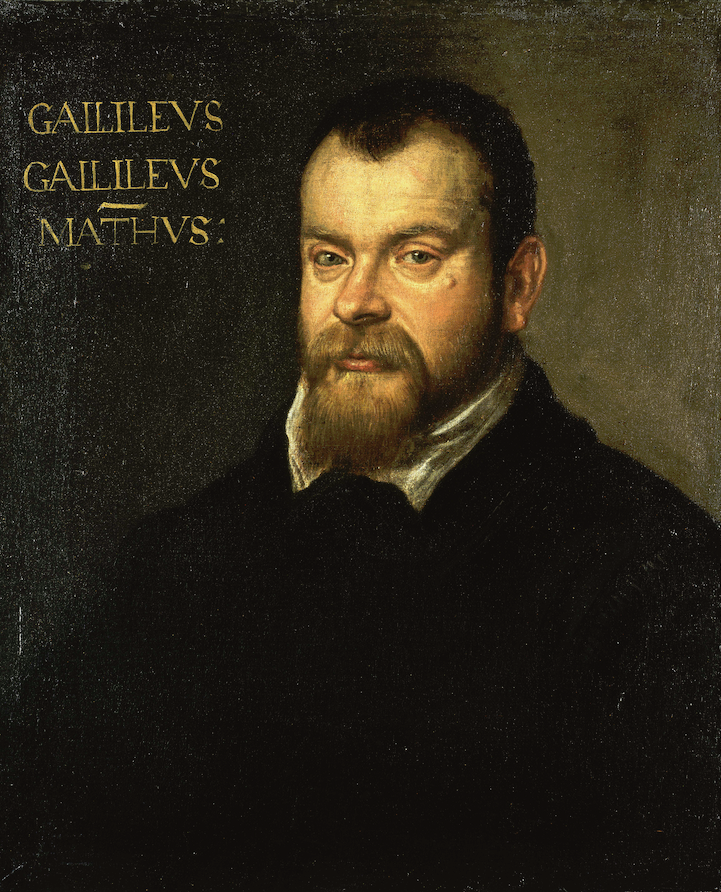
Today, February 15, is Galileo Galilei’s birthday. He was born in Pisa in 1564, and he changed the way we look at the sky. His work also brought him into open conflict with the Catholic Church, and with a former friend, Pope Urban VIII.
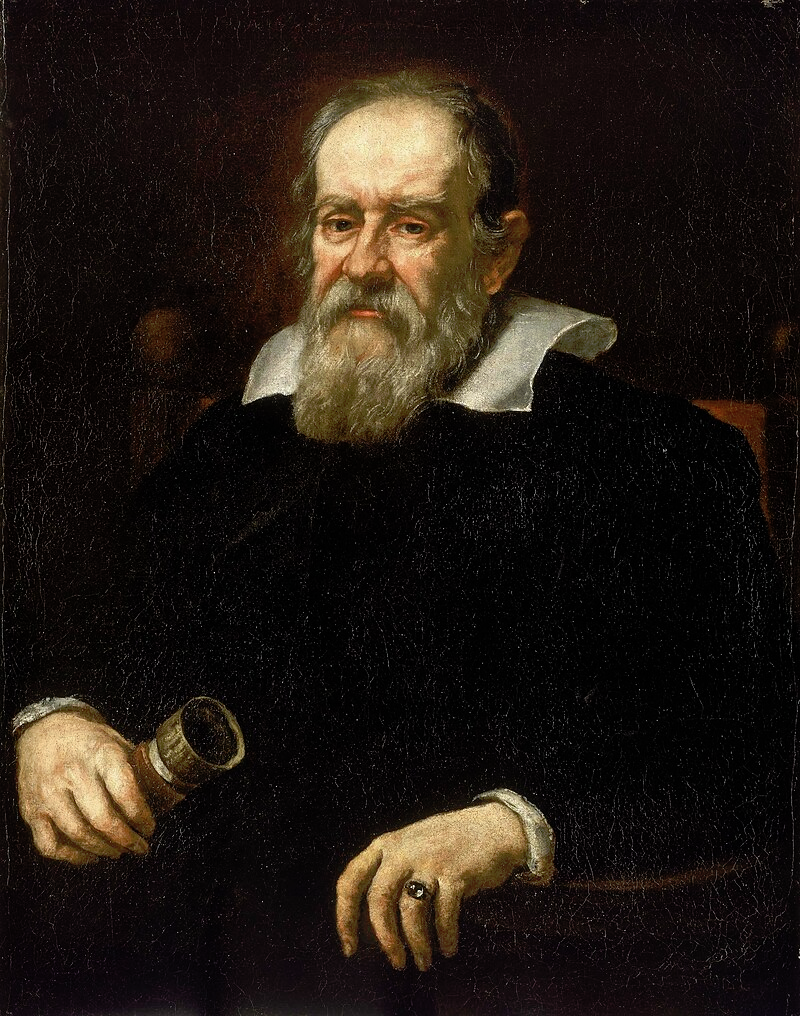
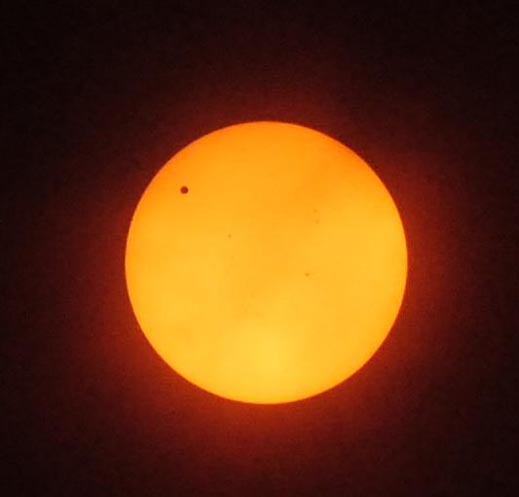
Galileo did not invent the telescope. He improved it until it was good enough to turn toward the heavens. From 1609 on, he saw what no one had seen before: mountains on the Moon, four moons circling Jupiter (now called the Galilean moons), and stars far too faint for the naked eye. In 1610 he also watched Venus go through phases, just like our Moon, as I mentioned in a previous post. The sky was supposed to be perfect and unchanging, as Aristotle taught. Suddenly it had flaws, extra moons and moving parts.
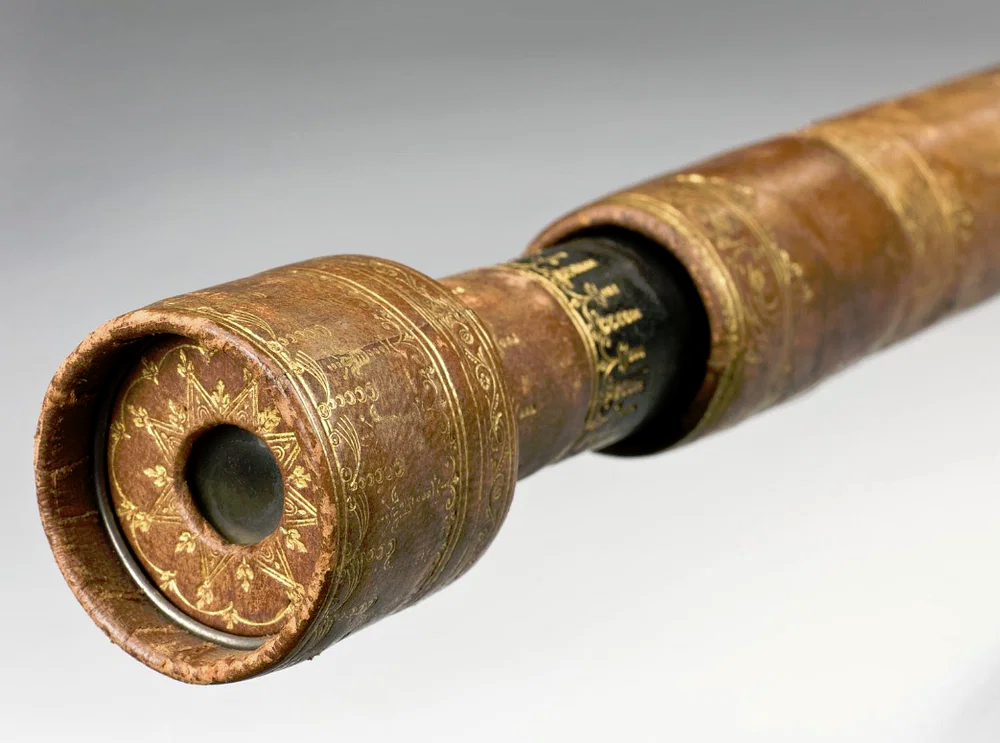
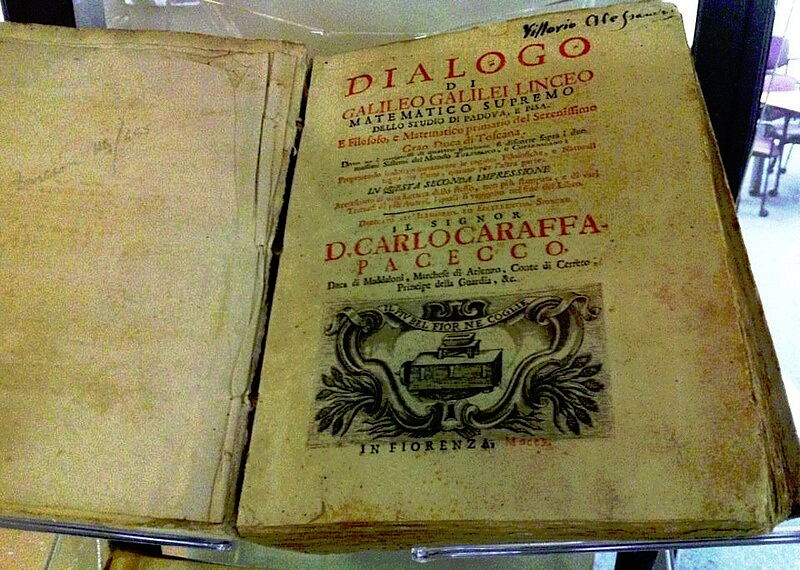
What he saw supported Copernicus: the Earth turns around the Sun, and not the other way around. Most people, and the Church, still placed the Earth at the center of everything. In 1616, Galileo was warned not to teach the Sun-centered model as fact. He kept quiet for a while, then published the Dialogue Concerning the Two Chief World Systems in 1632. It was presented as a balanced debate, but everyone could see which side he was on. In 1633 he was tried in Rome, forced to recant, and spent the rest of his life under house arrest.
He kept working anyway. His studies of motion laid the groundwork for Newton, and in his last years he even designed a pendulum clock, which he never got to build. Einstein later called him the father of modern physics, and indeed of modern science.
The famous “Eppur si muove” (“And yet it moves”) belongs to legend. He is said to have muttered it after recanting, about the very Earth he had just been forced to declare motionless. There is no proof he ever said it, but it sounds like him. Another story is true: as a young man, in 1588, he gave two lectures in Florence on the shape and size of Dante’s Inferno, measuring Hell with the tools of geometry. (Read more here.)
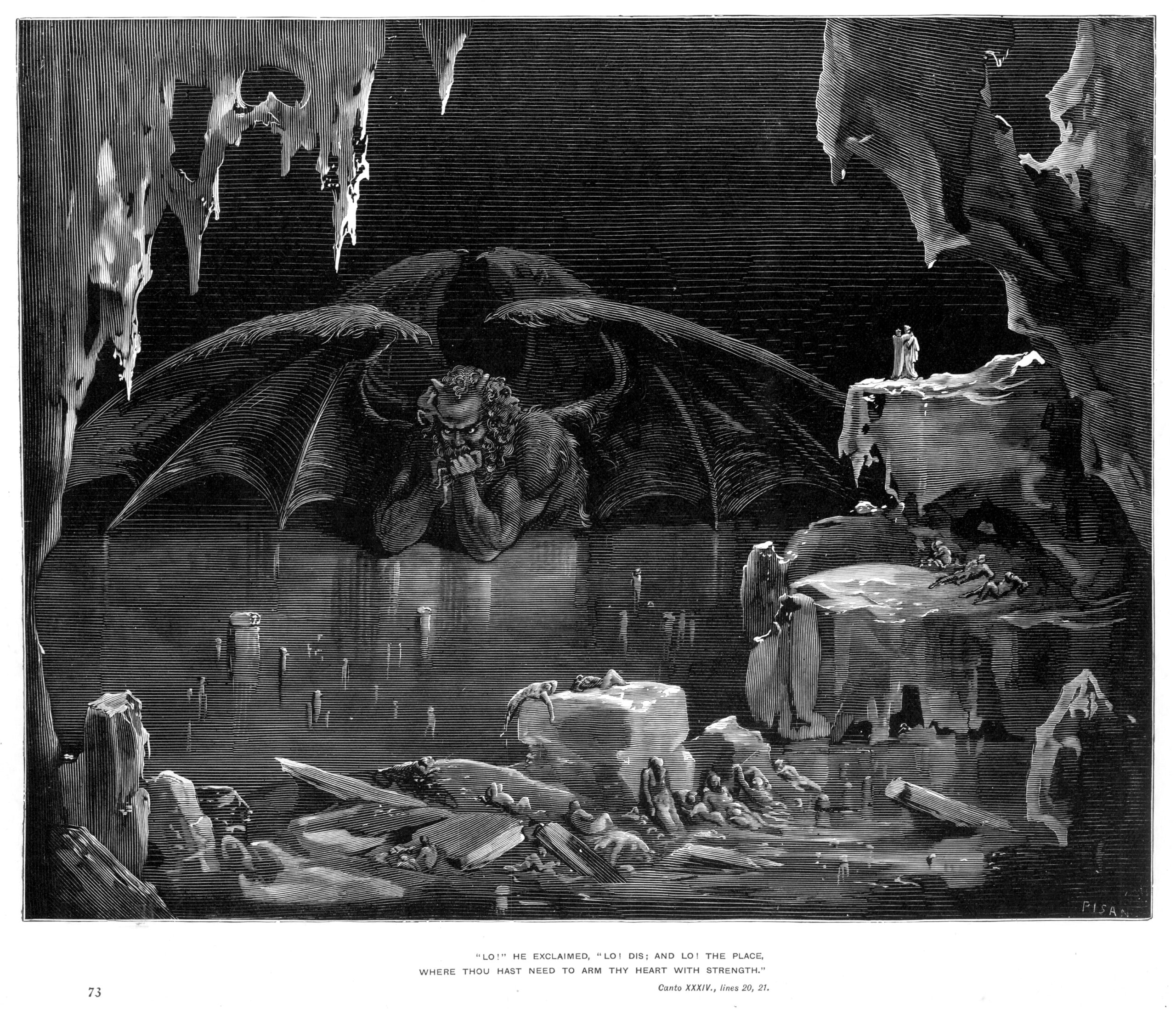
Gustave Doré, illustration for Dante’s Inferno (public domain)
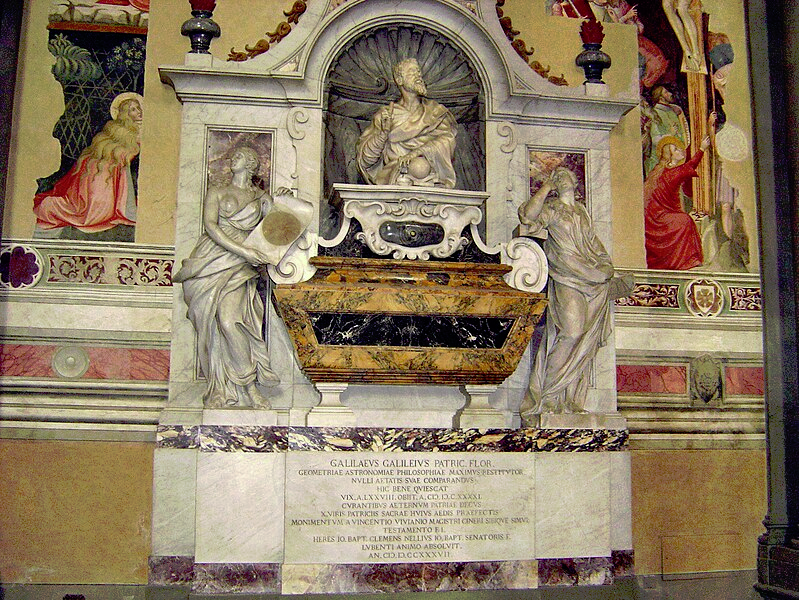
Galileo died in 1642. In 1992, Pope John Paul II officially acknowledged that the Church had been wrong to condemn him.
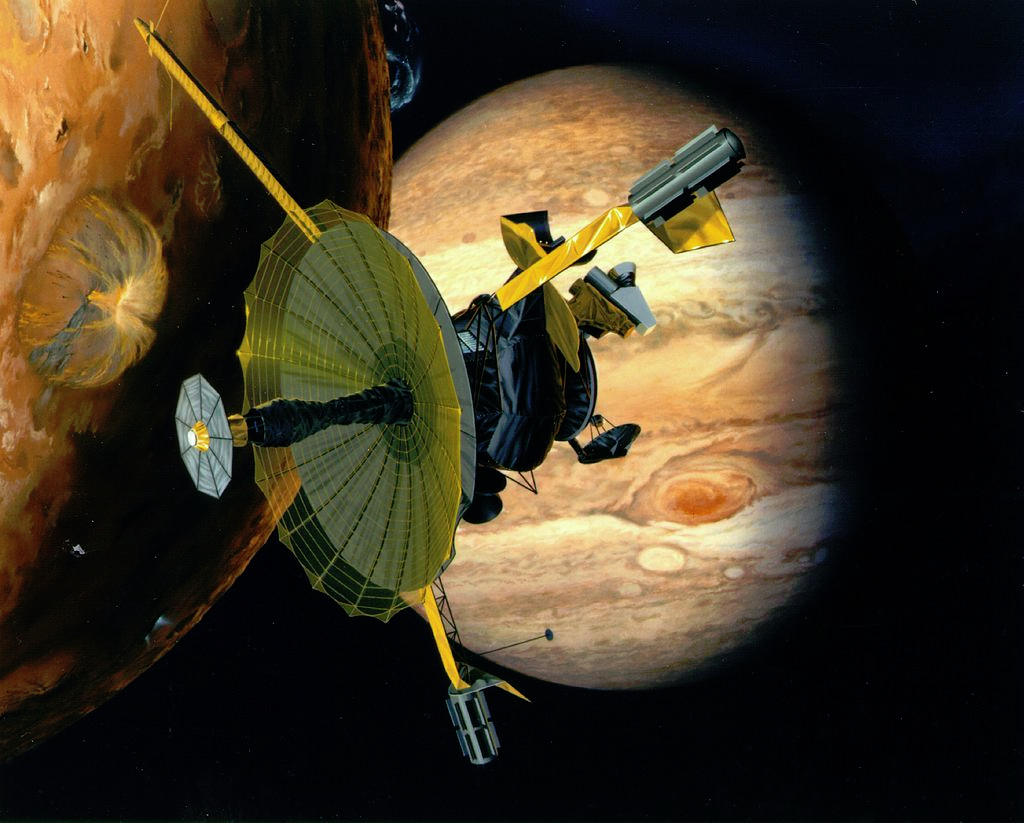
NASA gave his name to a spacecraft. Launched in 1989, Galileo reached Jupiter in 1995 and studied the planet and its moons for eight years, finding strong evidence of an ocean beneath the ice of Europa. In 2003, it was sent into Jupiter’s atmosphere, so that it could never contaminate that ocean.
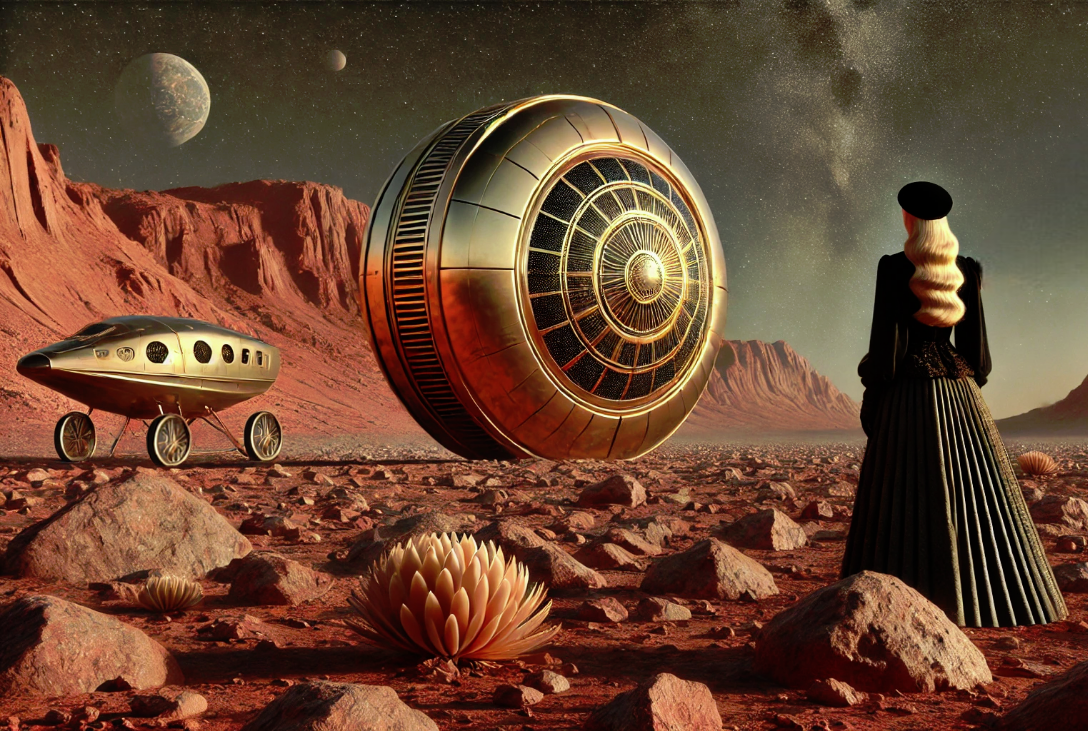
From where the Airship is right now, somewhere between Mars and the Moon, Jupiter is still a long way off. But point even a small telescope at it, and you will see its four largest moons, the same four that Galileo saw from Padua in 1610. They are still there, still circling Jupiter. And yet, they move.